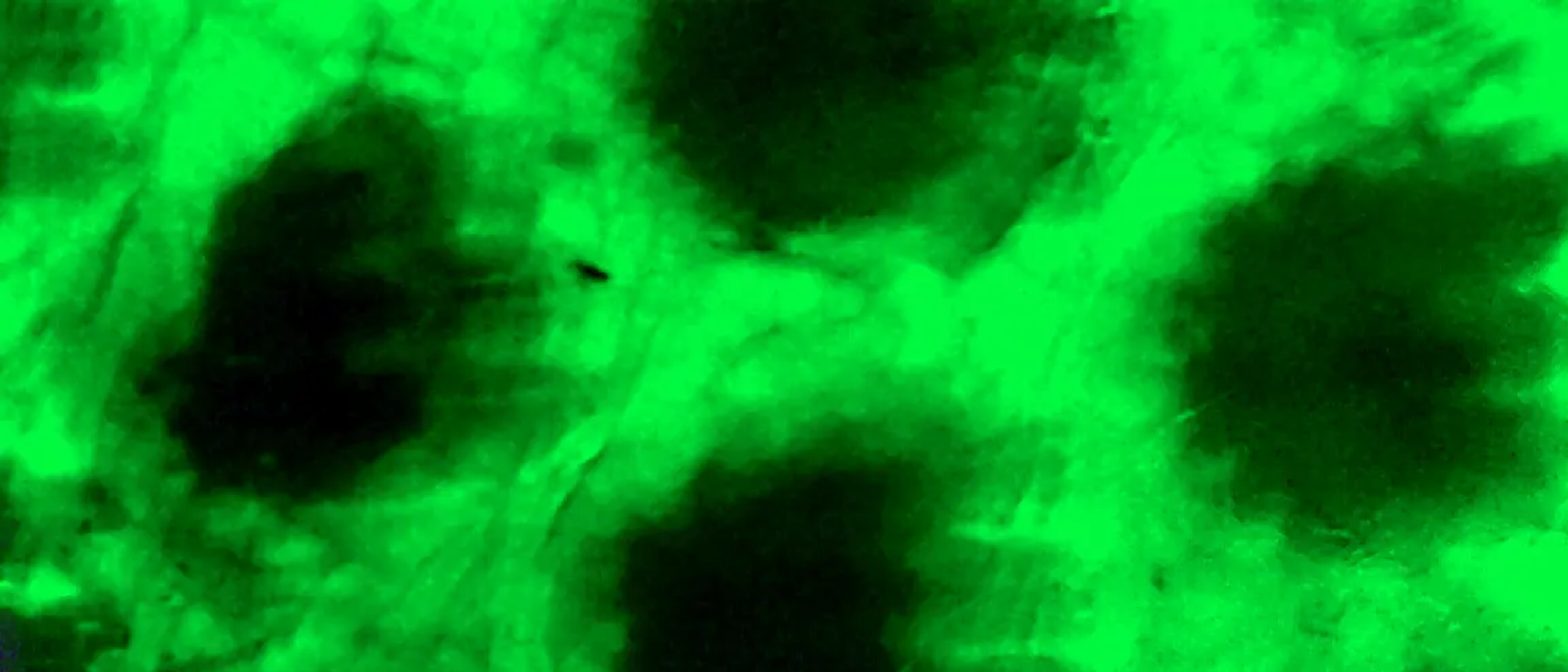
The first among my publications to brake the 1000 citations-barrier was Gerhardt et al.
Image by Jeltsch & Kaipainen et al.The first among my publications to brake the 1000 citations-barrier was
Gerhardt et al. 2003
. With the “tip cell concept”, it set a paradigm for vascular biology research: Not all endothelial cells are equal and the tip cell is a specialized cell that marks the forefront of the angiogenic sprout. However, my contribution was limited (number 7 out of 11 authors): I produced most of the proteins that were needed for the study. This spring,
Jeltsch et al. 1997
crossed the first time the 1000-citation mark. The paper describes a mouse, that overexpresses VEGF-C in the skin. It is the first ever in-vivo demonstration of a lymphangiogenic growth factor. Although not setting any paradigm, it marks the start of the
molecular era in lymphatic research
. What percentage of papers achieve 1000+ citations? That differs between disciplines, but e.g. according to
https://en.wikipedia.org/wiki/Citation_impact
on average it is less than 1 in 4000. Compare this to the average paper, which receives 7.8 citations. And even this average is heavily influenced by a few highly-cited papers (
similar to the Impact Factor
). The median number of citations is 4, meaning that about half of all papers have less than 4 citations (see
here
).