In 2008, during a dinner in Stockholm (when I participated in the Novo Nordisk Foundation 8th Annual Conference on Vascular Biology in Diabetes Complications) I proposed to Christer Betsholtz to award the Nobel Prize to the world-wide community of postdocs, which are the unsung heroes of today’s research.
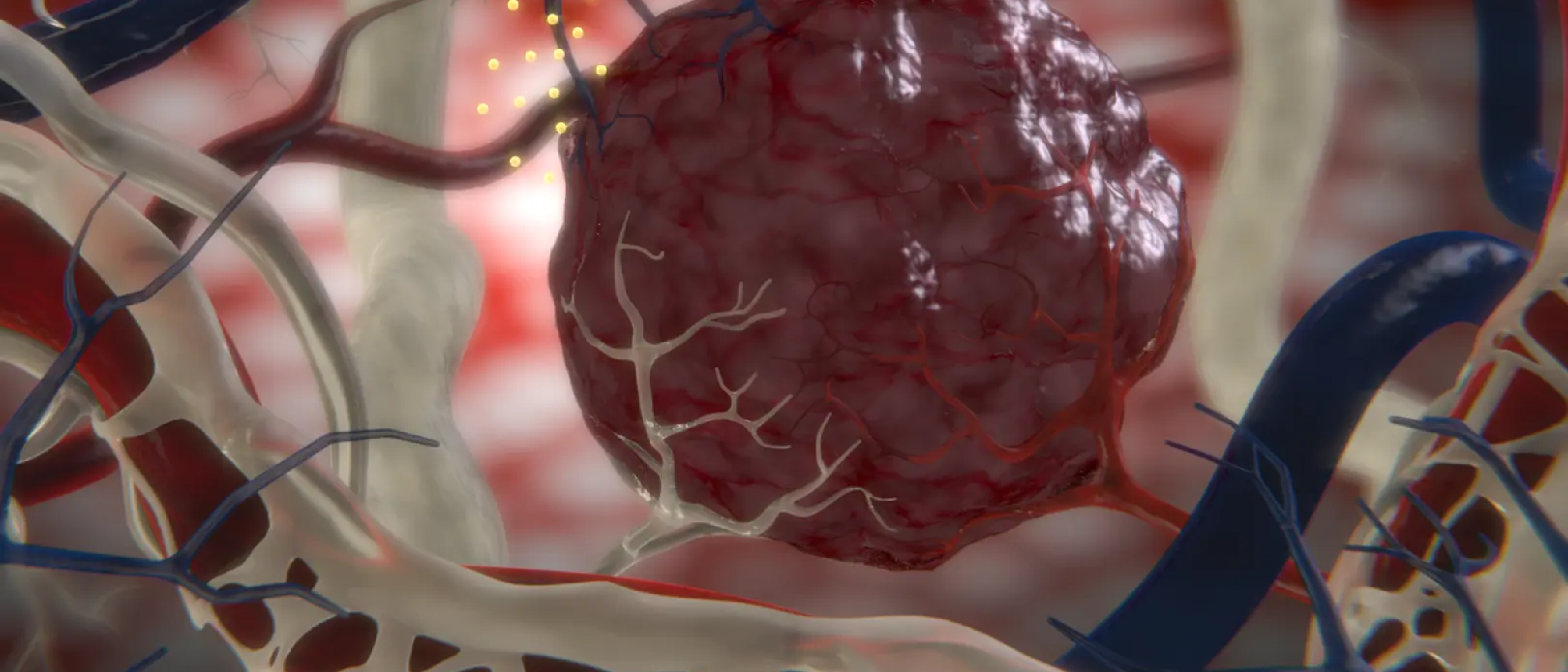
Image by Michael JeltschIn 2008, during a dinner in Stockholm (when I participated in the Novo Nordisk Foundation 8th Annual Conference on Vascular Biology in Diabetes Complications) I proposed to
Christer Betsholtz
to award the Nobel Prize to the world-wide community of postdocs, which are the unsung heroes of today’s research. But the
Statutes of the Nobel Foundation
forbid to award the price to more than three people. However, statutes can be changed and the Nobel Foundation did exactly that 40 years ago when they stopped awarding the price to dead people. And in this changing world, less and less discoveries and inventions are made by individuals. But here’s my newest proposal, which adheres to the rule of maximally three: Kari Alitalo is probably the only Nobel Prize worthy researcher in the country where I work (Finland). Seriously: after
Judah Folkman
has passed away, there are not many options to award the prize to somebody from the angiogenesis field. Judah Folkman was the father of the hypothesis, that all tumors should be treatable by anti-angiogenesis (
Folkman J. Tumor Angiogenesis: Therapeutic Implications. New England Journal of Medicine. 1971;285(21):1182–6
). The Nobel Prize committee missed that chance. And because the field has already significantly contributed to the treatment of cancer (and arguably will still contribute much), it is not so far off to think of a shared prize for the discoverers of the VEGFs. VEGF was discovered more or less independently by several research groups around 25 years ago, among them
Napoleone Ferrara
’s and
Harold Dvorak
’s. Most notably, Ferrara’s group at
Genentech
continued the research most successfully until today resulting in the first antiangiogenic cancer drug in 2004. While the discovery of VEGF and the resulting angiogenesis research was not dependent on any single lab, the lymphangiogenesis field was essentially single-handedly re-invented and brought into the molecular era by
Kari Alitalo
in the years following 1995 - after it had become senile and was lingering without any significant progress since the 1960s. A shared prize to Ferrara, Dvorak and Alitalo? There is an
anti-VEGF-A cancer drug
on the market and the only thing lacking is a successful anti- or pro-VEGF-C drug. Both are in clinical trials as of this writing (
anti-VEGF-C
,
pro-VEGF-C
).