Small Worlds, Big Discoveries: Researchers' Night Microscopy Workshop
First published October 3, 2026 • Last modified on October 14, 2026 • 2 min read • 342 words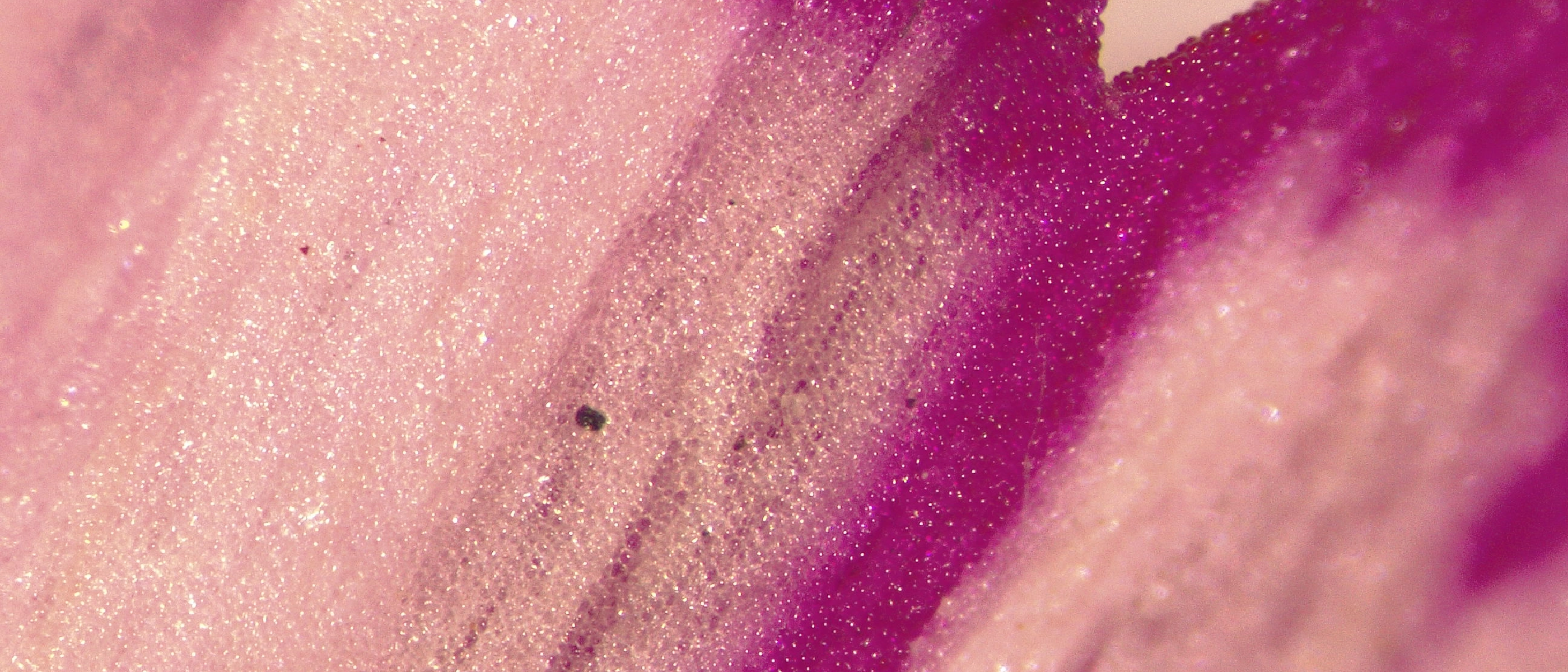
Science Up Close
Our 2026 Researchers’ Night setup featured both a stereomicroscope and an inverted microscope, each connected to digital cameras and computer screens so everyone could share in the discoveries. We provided a variety of samples, ranging from microcrystals and cells to tissue sections and small animals like the wax moth (Galleria mellonella, thanks to Juan Jose Quispe) and C. elegans nematodes (thanks to Heidi Aarnio).
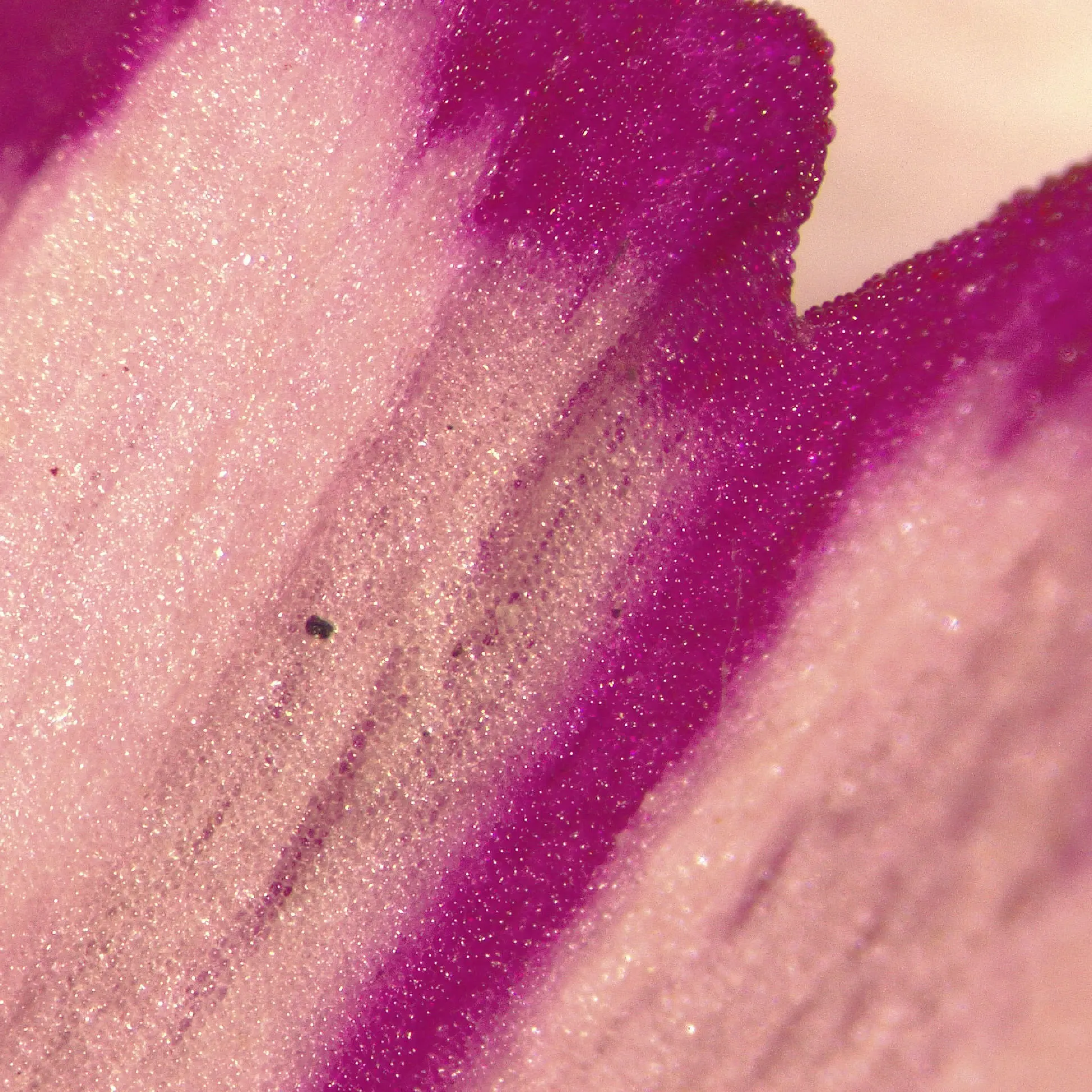
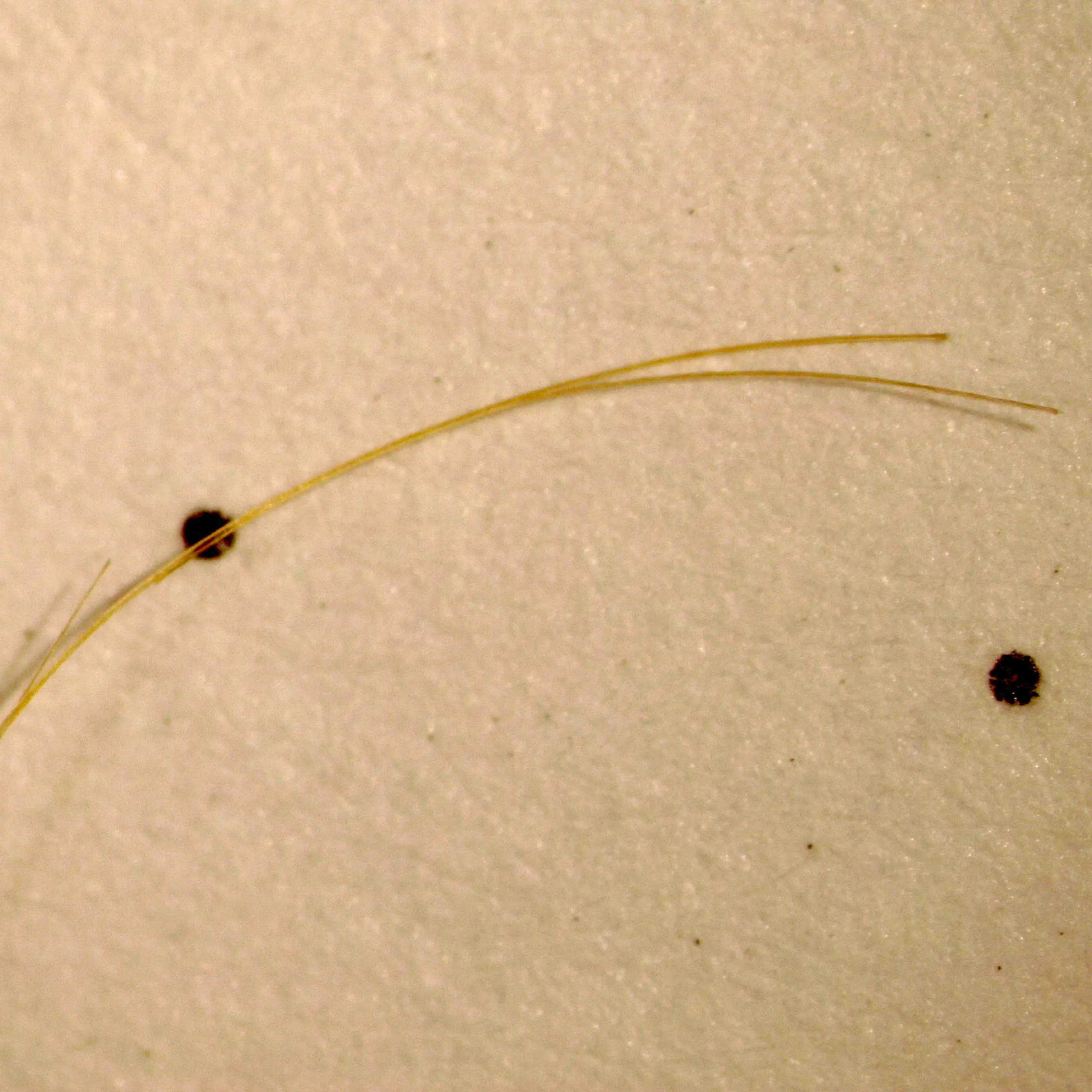
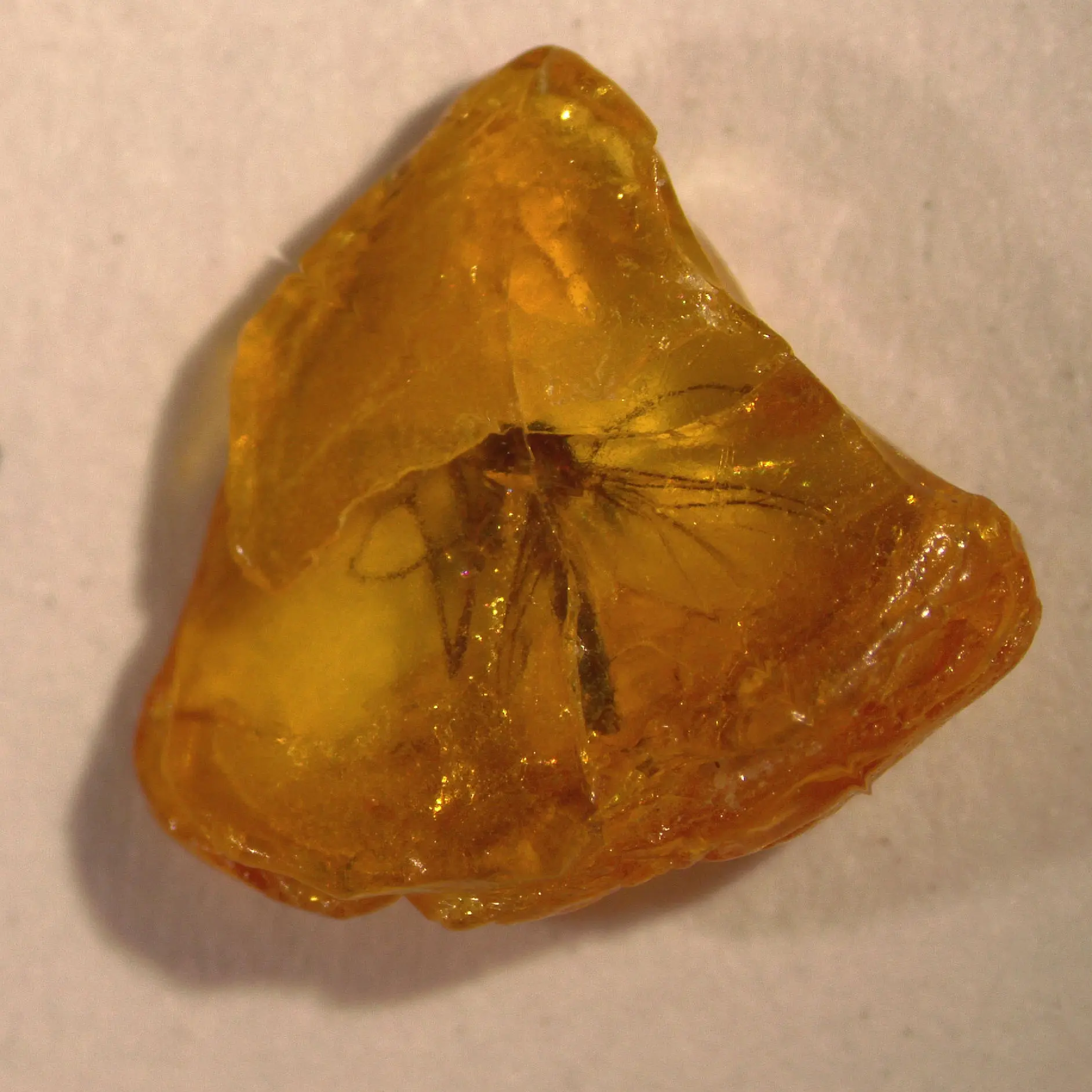
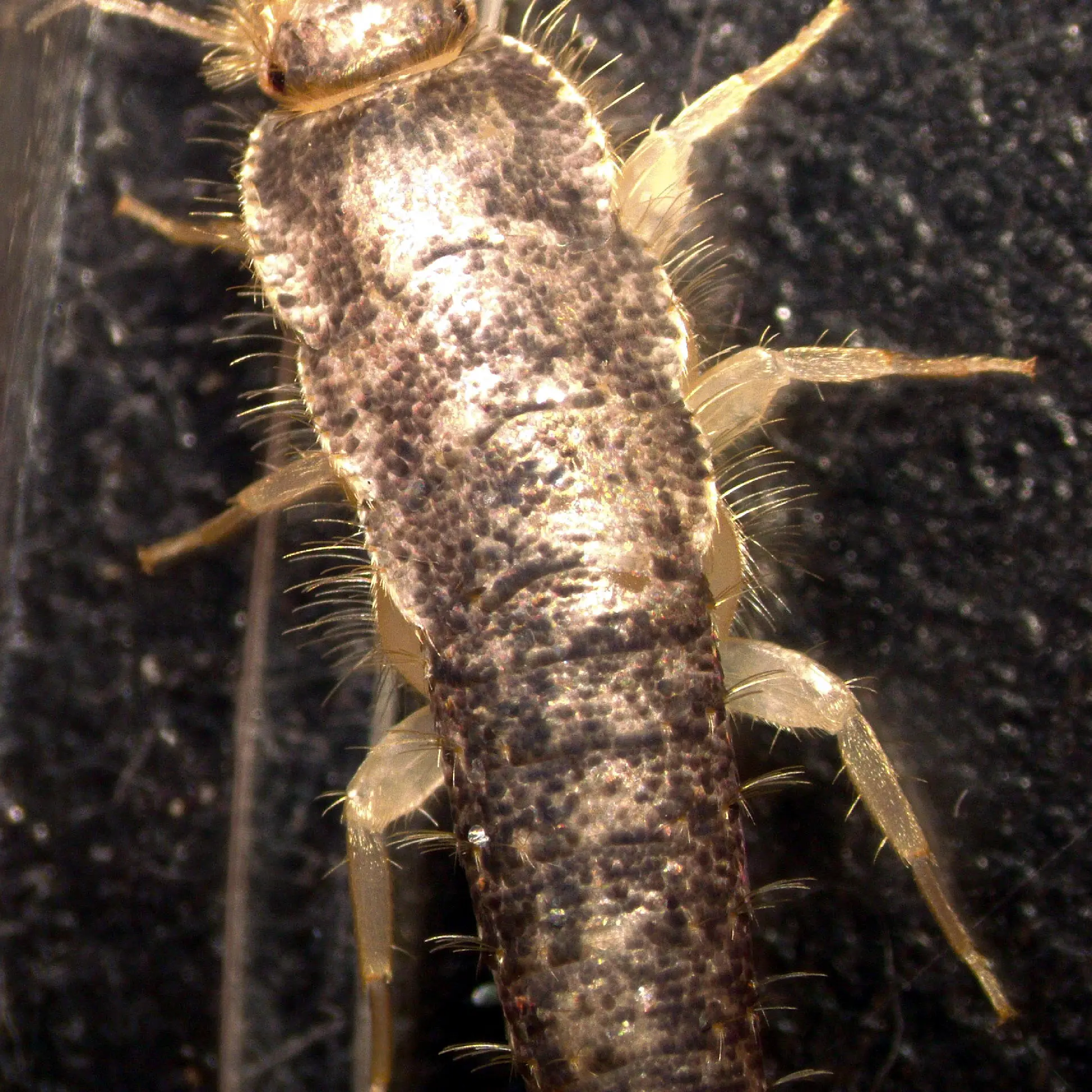
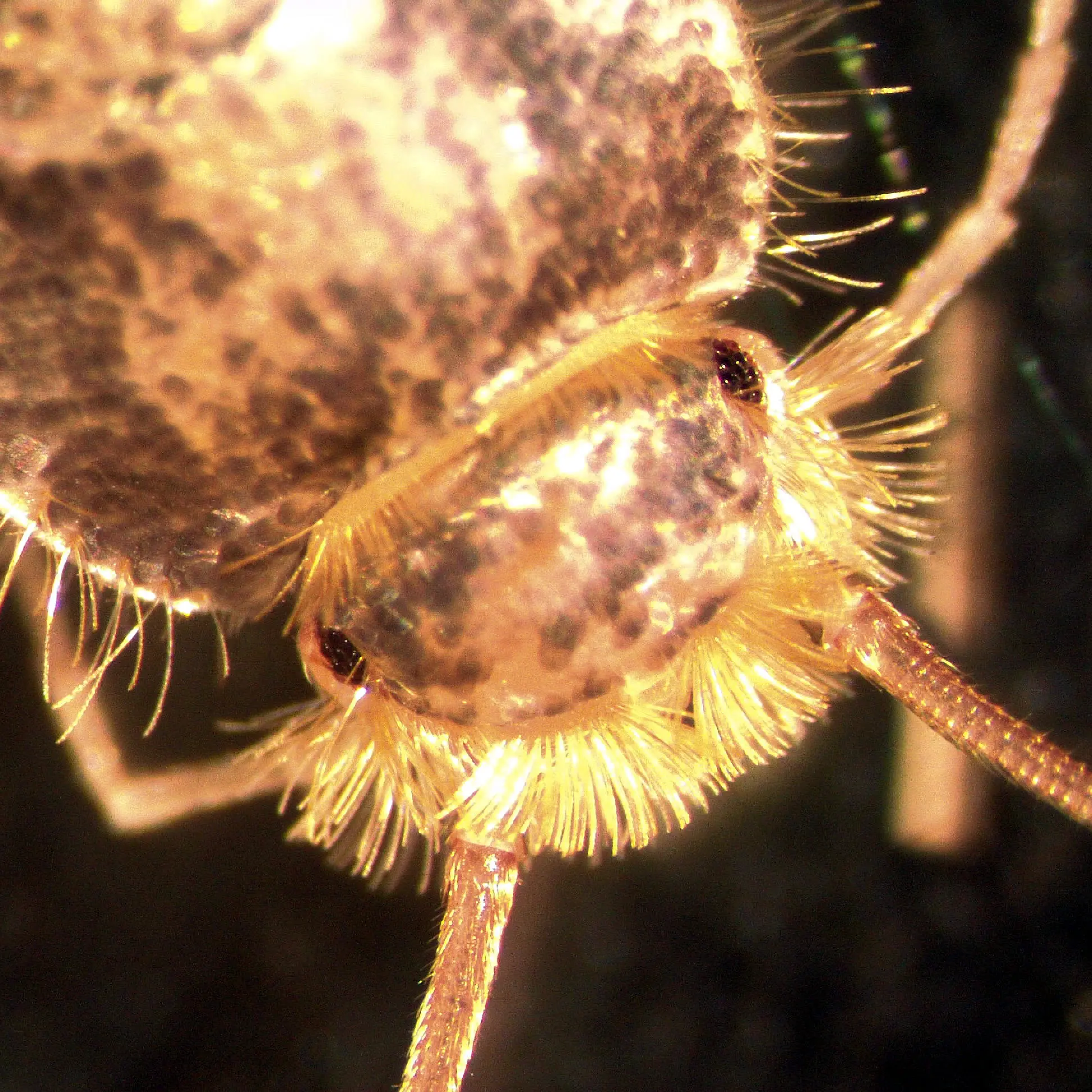
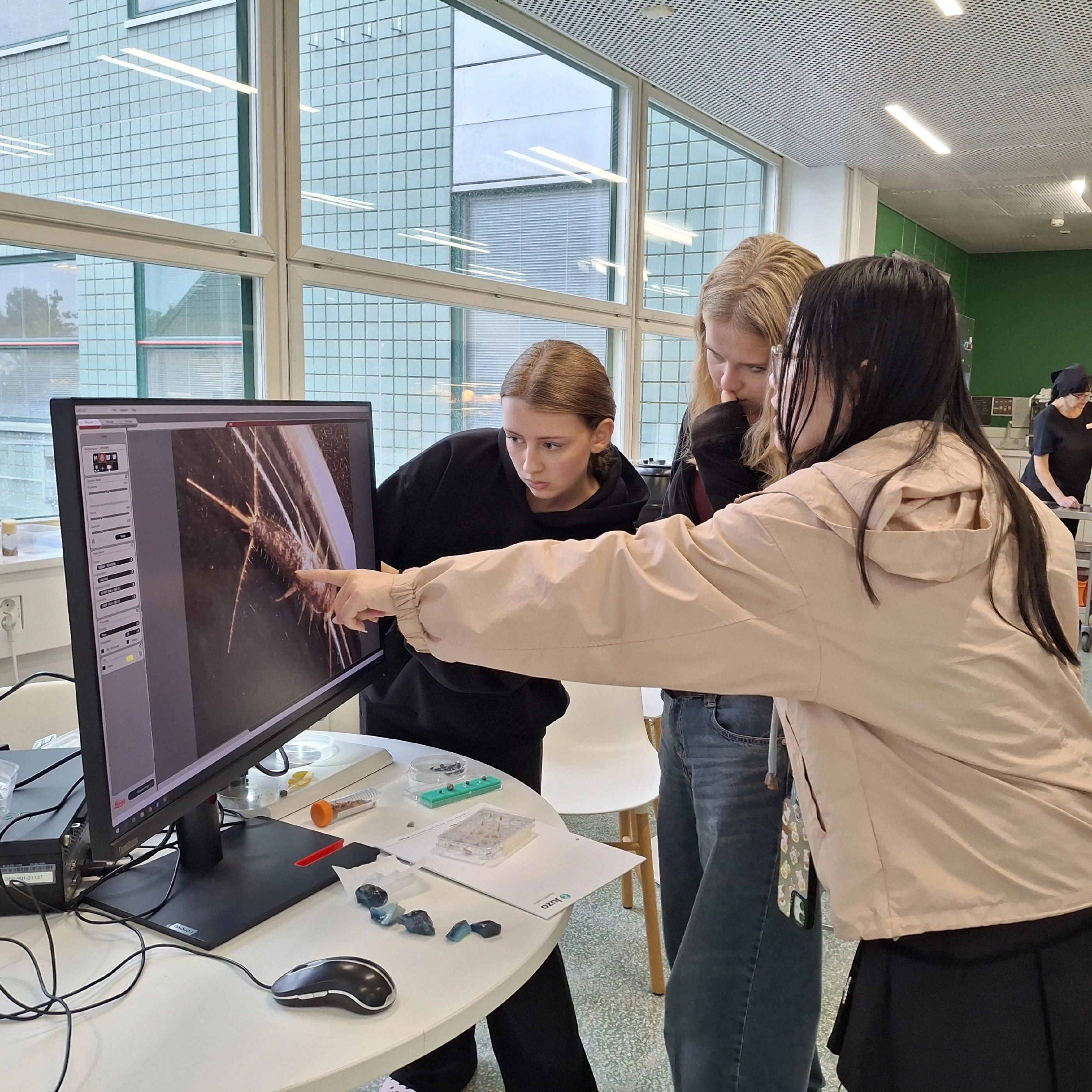
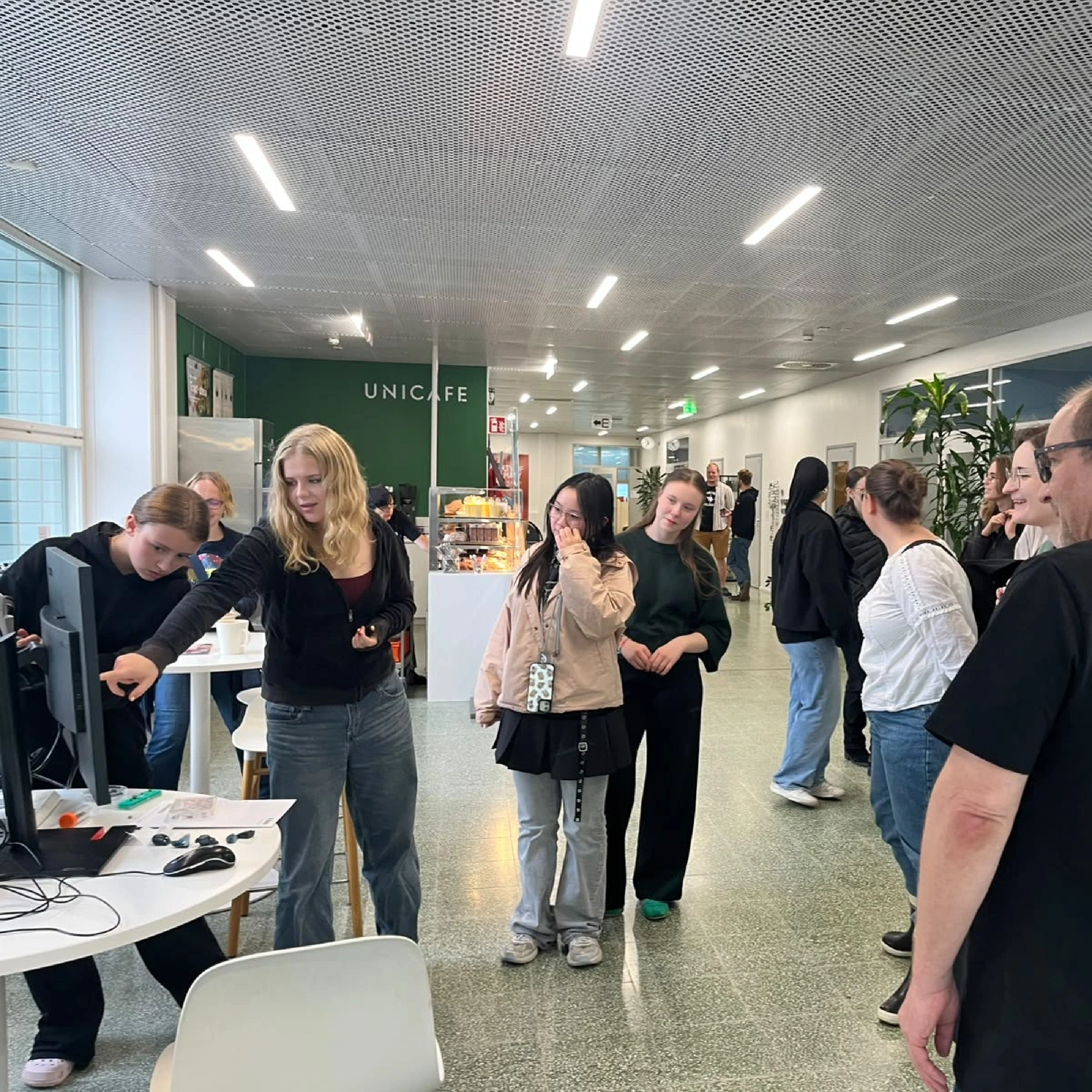
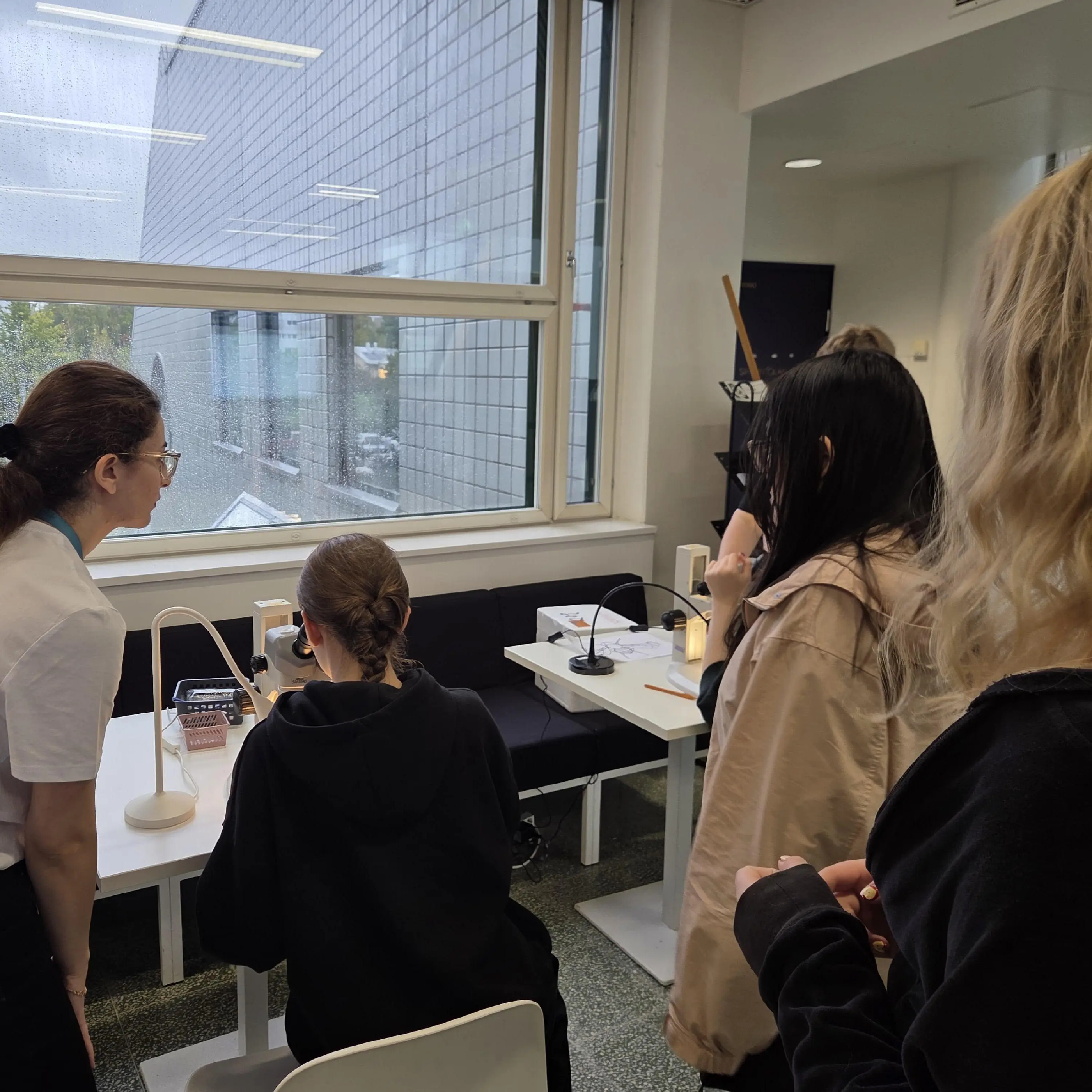
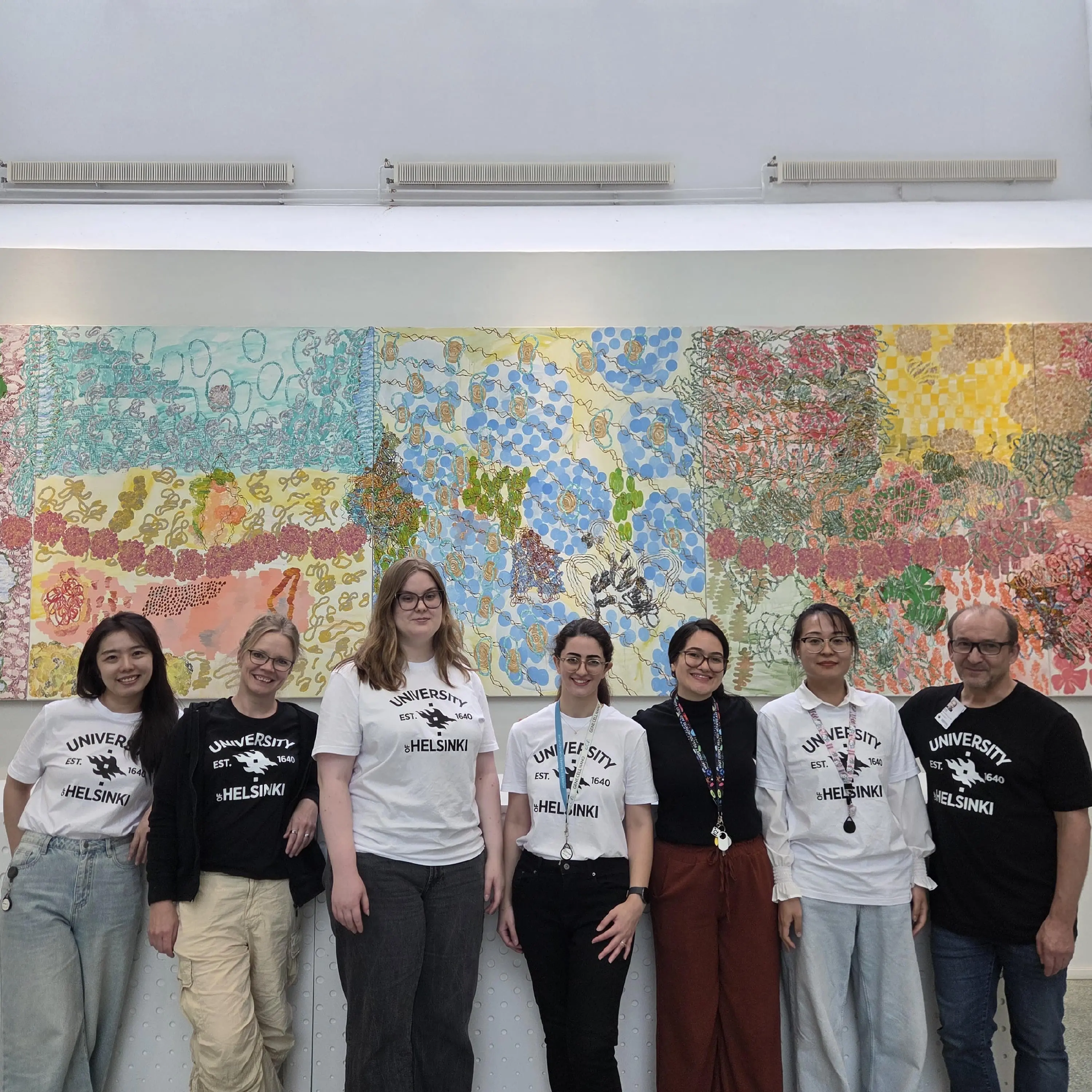
However, the best part of the day was seeing what the students chose to investigate themselves. We encouraged our visitors to bring their own samples, which led to some of the most engaging moments of the event. One of the biggest hit of the day was spliced hair! The students had a blast examining everyday objects, with one group setting a new lab record by finding an incredibly rare triple spliced hair. It’s these unplanned, curiosity-driven moments that show just how fun, relatable, and accessible science can be. As a protein scientist, I immediately asked myself why some hair splits easier than others. There must be a molecular explanation: maybe some keratin variants are more sensitive than others? In fact, there is interesting science about splitting hair .
A Live Gallery of Discoveries
Every image the students captured captured from the stereo microscope was automatically uploaded to our live, public online gallery. By the end of the day, our young visiting scientists had captured and published over 100 unique images . Thanks to all students from the Nöykkiö and Omnia schools! All seminar rooms and lecture halls had already been booked, and we - nolens volens - set up our microscopes in the 2nd floor lobby space just next to the big lecture hall 2041. As a result, the event wasn’t just a success with our guests; it also sparked unexpected academic networking because many researchers were passing by, noticing our research subjects on the big computer screens, and started to ask questions. Interaction between faculties can always be improved and this seems to be a good way to get the communication started.