The E-numbers of ADHD-like behaviour inducing food colors and additives
First published November 28, 2008 • Last modified on July 25, 2026 • 1 min read • 99 wordsThere has been a publication about artificial colors and other food additives influencing children’s behaviour (McCann, 2007), making it more ADHD-like.
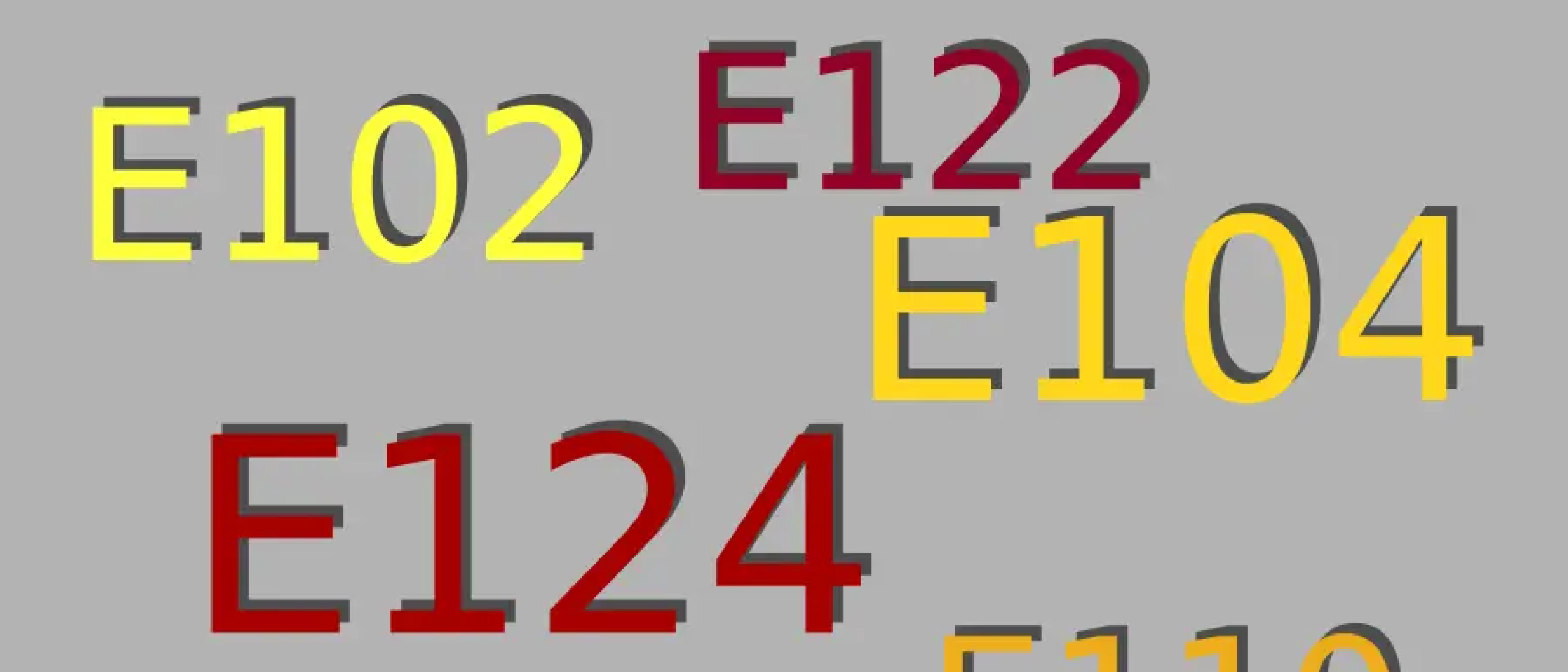
There has been a publication about artificial colors and other food additives influencing children’s behaviour ( McCann, 2007 ), making it more ADHD-like. This is perhaps due to the chemicals’ influence on brain chemistry. This claim is not new, just the methodology (double-blind, randomized). I just checked out this paper and figured out the corresponding E numbers. Unfortunately the research used “cocktails” of these additives and therefore some of these might be harmless. But nevertheless, here is the list:
- E102 tartrazine
- E104 quinoline yellow
- E110 sunset yellow
- E122 carmoisine
- E124 ponceau 4R
- E129 allura red AC
- E211 sodium benzoate