The War on Cancer
First published October 1, 2025 • Last modified on June 25, 2026 • 3 min read • 577 words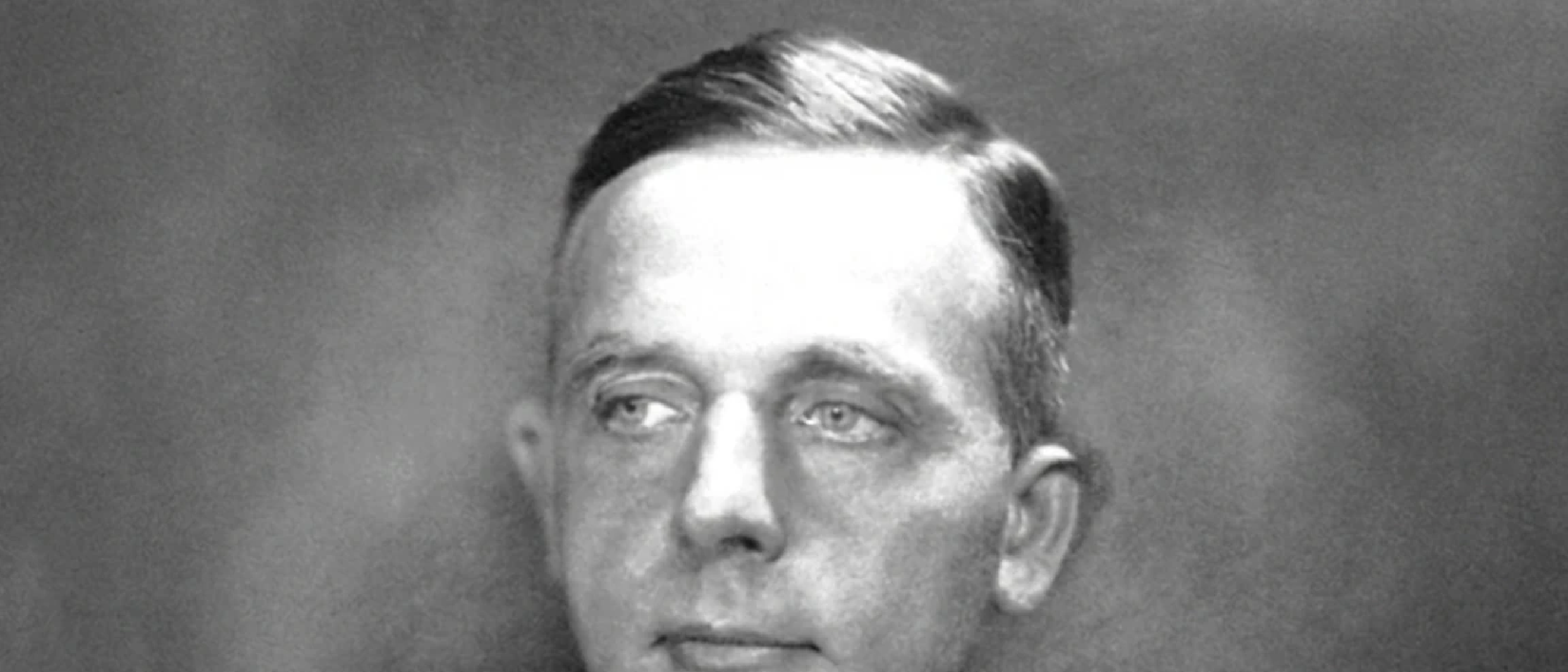
Wednesday, October 1, 2025, is the European Day of Foundations and Donors. Since we receive close to zero basic research funding, my research is absolutely dependent on external funding. As much of our government’s R&D funding has shifted from academic to commercial research (“business funding”), foundations are keeping cancer research in Finland alive. In the past, a significant amount of money has also been coming from taxpayers’ money. Most people associate this with US President Richard Nixon, who declared War on Cancer in 1971. However, the politically supported “War on Cancer” was not, as often claimed, started by Nixon. The war against cancer had been a priority of politicians of a very different kind almost 40 years earlier.
Most people engaged in the fight against cancer avoid the topic or don’t know about it, but it was Nazi-Germany that perhaps first made cancer research a political agenda. One of the possible explanations for this engagement was that Adolf Hitler’s mother, Klara, died from breast cancer when he was 18 years old. The high priority that cancer research was given right until the very end of the Third Reich is underlined by the fact that Germany’s most famous cancer researcher at the time was Otto Warburg , recipient of the 1931 Nobel prize in Physiology/Medicine for the “discovery of the nature and mode of action of the respiratory enzyme”. Being both Jewish and queer, Otto Warburg was nevertheless able to continue his research throughout the Holocaust. Otto Warburg became famous for the Warburg effect , which describes the curious preference of cancer cells to produce energy by glycolysis, despite oxygen being available and oxidative phosphorylation being more efficient. Warburg thought that this was due to a mitochondrial defect and that this defect was the underlying cause of cancer. Most scientists no longer subscribe to this view, since such a defect could never be convincingly demonstrated.
Why do cancer cells prefer glycolysis? Despite the low energy yield, cancer cells likely benefit from glycolysis in multiple ways: the pentose phosphate pathway provides precursors for DNA and protein synthesis. The acidic environment might be immunosuppressive, favor pro-angiogenic signalling, and it might prepare the cells to survive in hypoxia, which they will encounter sooner or later. Does the “prepare” aspect make any sense in the context of cancer evolution? In any case, there is still quite a bit of mystery around the Warburg effect, but conceptually, it should be related to an immediate benefit for the cancer.
There are still laboratories working on Warburg’s ideas, and it would be hubris to say that we know all about cancer. When I was an undergraduate student in the early 1990s, cancer was exclusively about oncogenes, because their role in the etiology of cancer had just been recognized. At the time, cancer researchers studying the role of the immune system had a hard time getting their manuscripts published. Maybe there will be a renaissance of the mitochondrial hypothesis in one form or another?
Below are some of the sources if you are more interested in the topic:
- A scientific review about the US war on cancer: https://doi.org/10.1002/cncr.34040
- The Warburg hypothesis on the root cause of cancer: https://en.wikipedia.org/wiki/Warburg_hypothesis
The sources below are spinning the story, so be careful with what you believe! But they are nevertheless very informative.
- Sam Apple’s book about the Nazi connection to the war against cancer: https://www.amazon.com/Ravenous-Warburg-Search-Cancer-Diet-Connection/dp/1631493159
- It is the same story as in the book, but as a podcast episode/interview: https://peterattiamd.com/samapple/